

 4 min read
Harnessing Field Tile Systems: Enhancing Crop Protection and Boosting Yields
Understanding Field Tile Drainage Systems and Their Purpose
Field tile systems are underground networks of perforated pipes installed beneath agricultural land to remove excess water from the soil profile. These drainage solutions have become essential infrastructure for farmers in Newton, IL, where heavy spring rains and poorly drained clay soils can leave fields saturated for weeks. When water accumulates faster than it can naturally percolate through dense soil layers, crop roots suffocate from lack of oxygen, disease pressure increases, and planting windows shrink dramatically.
The system works by intercepting subsurface water and channeling it through buried tile lines to designated outlets, typically drainage ditches or streams. In Newton and surrounding Jasper County areas, where flat topography and tight soils create chronic drainage challenges, field tile installation has transformed marginal ground into consistently productive acreage. Properly designed tile networks lower the water table to an optimal depth, creating conditions where roots can access both moisture and oxygen throughout the growing season. This balance proves critical during the unpredictable weather patterns common to central Illinois, where a single storm can deposit three inches of rain in an afternoon.
How Tile Lines Prevent Waterlogging and Support Root Development
Waterlogged soil creates an anaerobic environment where beneficial soil microbes cannot function and roots cannot respire. Within 48 hours of saturation, corn and soybean roots begin to die back, stunting growth and making plants vulnerable to root rot pathogens. Field tile systems eliminate this threat by removing gravitational water while retaining the capillary moisture crops need. The perforated pipes collect water that seeps into the trenches, maintaining soil moisture at field capacity rather than saturation.
This drainage function directly improves root architecture. In tiled fields, corn roots regularly reach depths of five to six feet, accessing nutrients and moisture reserves that shallow, waterlogged root systems never encounter. Soybeans develop more nodules for nitrogen fixation when oxygen levels remain adequate in the root zone. The improved soil structure also allows earlier field access in spring, which is particularly valuable in Newton, where growers often face narrow planting windows between late-April rains and the optimal seeding date for maximum yield potential. Many local farmers report gaining seven to ten additional field days per season after drainage tile installation, allowing them to plant when soil temperatures and conditions are ideal rather than racing against calendar deadlines.
Tile systems also moderate soil temperature fluctuations by removing cold standing water that delays soil warming in spring, giving crops a faster start when every day of growing season matters for maturity and grain fill.
Documented Yield Increases and Economic Returns for Illinois Growers
The economic case for tile drainage in Newton and central Illinois is compelling. University research consistently documents yield increases of 15 to 30 percent on poorly drained soils following tile installation, with the greatest gains occurring in wet years when untiled fields suffer significant crop loss. Even in average rainfall years, the yield stability provided by controlled drainage delivers measurable returns. A properly designed system typically pays for itself within five to eight years through increased production, and the infrastructure continues delivering benefits for 50 years or more with minimal maintenance.
Beyond raw yield numbers, tiled fields produce higher-quality grain with more uniform moisture content at harvest, reducing drying costs and improving marketability. Farmers also realize savings in fuel and equipment wear because they can complete field operations in fewer passes without fighting mud or creating compaction problems. In Newton’s agricultural economy, where margins depend on maximizing productivity from every acre, these cumulative advantages represent substantial value. Local grain elevators report that farmers with comprehensive tile systems consistently deliver cleaner samples and achieve better test weights compared to those farming poorly drained ground.
The investment also protects against extreme weather events. During the exceptionally wet spring seasons that have become more frequent in recent years, tiled fields often produce harvestable crops while untiled neighbors face total losses or prevent-plant situations, making drainage infrastructure a form of risk management as much as a yield enhancement tool.
Long-Term Performance and Maintenance Requirements
Successful tile installation requires detailed planning that accounts for field topography, soil types, and outlet locations. In the Newton area, where soil surveys show predominantly Cisne, Huey, and Bluford silt loams with restrictive clay layers, spacing between tile lines typically ranges from 30 to 60 feet depending on soil permeability. Main lines collect water from lateral runs and discharge it to adequate outlets, sized to handle peak flow rates during heavy precipitation events. Modern laser-guided excavation ensures precise grades that move water efficiently without creating low spots where sediment might accumulate.
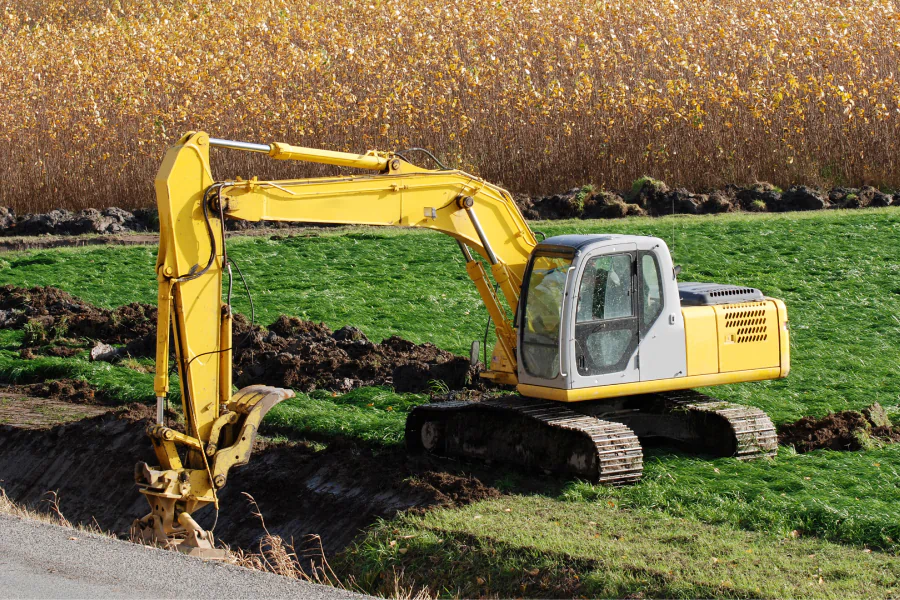
Installation timing matters significantly for minimizing crop disruption and soil compaction. Most Newton farmers schedule tile work during late summer through fall when fields are dry and firm, or during winter months when frozen ground supports heavy equipment. Proper backfilling and surface restoration allow fields to return to production the following season with minimal yield drag in the installation zone. The best systems include risers for inspection and cleanout access, junction boxes at critical connection points, and detailed mapping for future reference.
Once installed, quality tile systems require remarkably little maintenance. The pipes themselves, whether corrugated plastic or clay, resist deterioration for decades. Periodic inspection of outlets ensures they remain clear of vegetation and sediment. If flow issues develop, modern camera inspection identifies blockages without excavation. Working with experienced contractors who understand local soil conditions and proper system design ensures the infrastructure delivers consistent performance year after year, protecting crops through both drought and deluge while steadily building soil health and farm profitability.
Which Drainage Solution is Right for Your Property?
Selecting the appropriate drainage method requires analyzing your property’s specific conditions, intended use, and budget constraints. The decision framework begins with understanding your water problem: does water pool on the surface after storms but drain within a day or two, or does the ground remain saturated for extended periods even without recent rainfall?
Surface drainage works effectively when the primary issue involves runoff from storms or snowmelt that collects in low areas. If you observe water flowing across the ground rather than soaking in, and if the soil dries reasonably well once surface water disperses, then grading and surface channels may solve the problem. This approach suits properties with moderate slopes where establishing drainage pathways is feasible and where the visible infrastructure does not interfere with planned activities. Residential lots with foundation drainage concerns, driveways that pond, or gardens in slight depressions often benefit most from surface solutions.
Subsurface field tile becomes necessary when high water tables or poor internal soil drainage keep the root zone saturated. Clay soils, which dominate much of Jasper County, often exhibit these characteristics. Agricultural producers recognize the pattern: fields that stay too wet to work in spring, crops with shallow root systems and yellowed foliage during wet periods, or areas that remain soft underfoot days after rain ends. For these conditions, only subsurface drainage provides lasting improvement because it actively lowers the water table.
Budget considerations matter, but short-term savings on surface work may prove costly if subsurface problems persist. Many properties benefit from integrating both approaches, using surface features to handle immediate runoff while tile systems address chronic saturation. A professional assessment of soil type, topography, and water table depth will identify which strategy delivers the best return on investment for your specific situation.
Professional Installation Planning for Optimal Field Performance
Properly designed tile systems can function effectively for decades with minimal intervention. The high-density polyethylene pipes used in modern installations resist corrosion and root intrusion far better than the clay tiles common in earlier generations. In Newton’s heavy clay soils, where seasonal freeze-thaw cycles place stress on buried infrastructure, quality pipe and correct installation depth protect against heaving and breakage. Most systems require no routine maintenance beyond monitoring outlet flow during spring drainage periods to ensure water is moving freely.
Common maintenance issues include sedimentation at tile outlets, especially in fields with erosion challenges, and inlet blockages where surface water enters the system. Newton-area farmers typically inspect outlet ditches after major rainfall events to clear debris and verify flow rates. Tile blowouts, though uncommon in well-designed systems, require prompt attention to prevent soil piping and field damage. When problems arise, specialized equipment can camera-inspect lines and flush blockages without excavating the entire system.
The longevity of tile drainage makes it one of the most cost-effective long-term investments in farm infrastructure. Unlike annual inputs that must be purchased each season, a single installation continues delivering yield protection and soil workability benefits year after year. For operations planning succession or land value considerations, documented tile systems increase property marketability and support higher land valuations, reflecting the permanent productivity improvement they provide.

