
 3 min read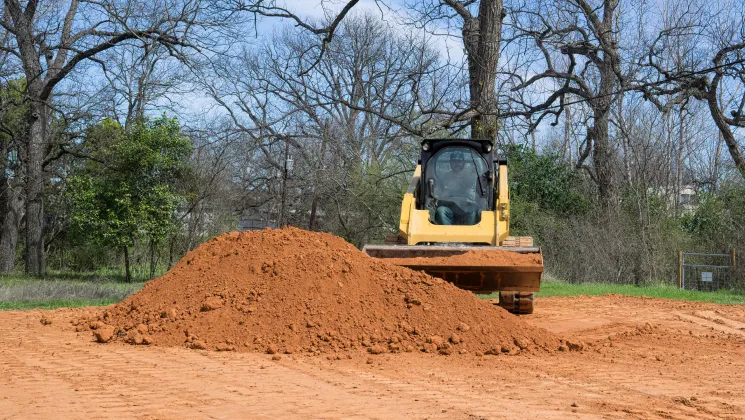
How to Properly Prepare Your Land for Construction in Newton, IL
Understanding Your Property Before Breaking Ground
Every successful construction project begins with a thorough understanding of the property itself. Before any equipment arrives or ground is broken, you need to know exactly what you’re working with. A proper site assessment identifies potential challenges early, saving time and money down the road.
In Newton, IL, we work with properties that often feature dense clay soils and subtle elevation changes that aren’t immediately obvious to the untrained eye. These characteristics directly impact drainage patterns and foundation stability. What looks like flat, buildable land at first glance may have hidden issues that become costly problems later without proper evaluation.
Professional assessment includes surveying property boundaries, identifying existing utilities, evaluating soil composition, and mapping natural water flow patterns. You’ll want to document any trees, structures, or debris that need removal, and note access points for heavy equipment. Seasonal considerations matter here too. Spring in our area brings heavier rainfall that reveals drainage weaknesses you might miss during drier months.
This initial phase sets the foundation for every decision that follows. Skipping or rushing through assessment leads to mid-project surprises, equipment delays, and budget overruns. Taking time to understand your property’s unique characteristics before excavation and dozer work begins ensures your project starts on solid ground, both literally and figuratively.
Managing Water Movement for Long-Term Stability
Water is your construction site’s biggest long-term threat if not managed correctly from the start. Proper grading and drainage systems prevent foundation damage, erosion, and structural settling that can plague buildings for decades. Getting this right during land preparation is far easier and less expensive than attempting repairs after construction is complete.
Illinois clay soils present unique drainage challenges because they hold water rather than allowing it to percolate naturally. During spring thaw and heavy rain periods, poor drainage can turn a construction site into an impassable marsh, delaying work and damaging materials. Professional grading creates intentional slopes that direct water away from building footprints and toward designated drainage areas.
Subsurface drainage systems, including field tile installation, address water that collects below ground level. These systems prevent hydrostatic pressure against foundations and keep soil stable beneath structures. On larger properties or agricultural land being converted to building sites, existing tile systems may need to be relocated or expanded to accommodate new structures.
The goal is to create a site where water moves predictably and controllably, regardless of weather conditions. This means evaluating natural drainage patterns, identifying low spots where water collects, and engineering solutions that work with your property’s topography. Proper drainage isn’t just about preventing puddles; it’s about protecting your investment for generations.
Knowing What Lies Beneath Your Building Site
Not all soil is created equal, and the composition beneath your construction site directly determines what type of foundation you can build and how much preparation is required. Professional soil testing reveals bearing capacity, moisture content, composition ratios, and potential contaminants before you commit to a construction approach.
Clay-heavy soils common in our region have excellent bearing capacity when dry but can expand and shift dramatically with moisture changes. This expansive behavior can crack foundations and buckle slabs if not properly accounted for during site preparation. Sandy soils drain well but may require compaction or stabilization to support heavy loads. Organic-rich topsoil provides excellent growing conditions but must often be removed and stockpiled before construction begins, then replaced for landscaping.
Testing involves collecting samples at various depths and locations across your property. Laboratory analysis provides specific data about load-bearing capacity, which directly influences foundation design and depth requirements. Some soil types require special preparation techniques like chemical stabilization, mechanical compaction, or complete removal and replacement with engineered fill.
We’ve seen projects come to a complete halt when soil testing reveals unexpected conditions that require design changes or additional preparation. Conducting these tests during the planning phase, before equipment mobilization and site preparation begins, keeps your project on schedule and within budget.
Creating a Clean Slate for Construction
Before any construction activity can begin, the site must be completely cleared of existing vegetation, structures, and debris. This process goes far beyond simply knocking down trees or pushing brush aside. Proper clearing removes root systems, stumps, buried debris, and any materials that could interfere with grading, foundation work, or utility installation.
Trees present particular challenges because their root systems can extend far beyond the visible canopy. Leaving roots in place can cause settling as they decay, creating voids beneath foundations or paved surfaces. Stump grinding removes the visible portion, but professional demolition and clearing extracts the entire root ball to prevent future problems.
Existing structures require careful dismantling, especially if materials will be salvaged or if adjacent buildings must be protected. Underground obstacles like old foundations, septic systems, or buried debris can damage equipment and delay work if not identified and removed during initial clearing. Material disposal must be handled responsibly, with concrete, metal, and organic waste separated appropriately.
The clearing process also establishes site access routes for heavy equipment and material deliveries. Temporary roads may be needed to protect finished areas and ensure machinery can reach all work zones regardless of weather. A properly cleared site allows subsequent phases to proceed efficiently without unexpected obstacles surfacing mid-project.
Using Professional Tools and Techniques
The final preparation phase involves precision excavation and grading using appropriate heavy equipment operated by experienced professionals. This is where planning transforms into physical reality, and the quality of this work directly impacts everything built afterward. Proper equipment selection and excavation strategy prevent costly rework and project delays.
Bulldozer services handle large-scale earthmoving, creating level building pads and establishing rough grades across the site. Excavators dig foundation trenches, utility corridors, and drainage features with the precision required for modern construction. Grading equipment fine-tunes elevations to exact specifications, ensuring proper drainage and level building surfaces. Each piece of equipment serves specific purposes, and knowing which tools to deploy for different site conditions separates professional preparation from amateur attempts.
Professional operators understand how different soil types behave under various moisture conditions and adjust their approach accordingly. They know when soil needs compaction, when it requires drying time, and when weather conditions make work inadvisable. This expertise prevents creating problems like over-compacted clay layers that trap water or insufficiently compacted fill that settles after construction.
Working with experienced professionals who provide hauling services alongside excavation ensures excess material is removed efficiently and fill material arrives when needed. This integrated approach keeps the project moving smoothly through each phase, from initial assessment to final grade certification, delivering a construction-ready site that supports your project’s long-term success.
